
Self-Learning and Adaptive Capabilities in AI Agents
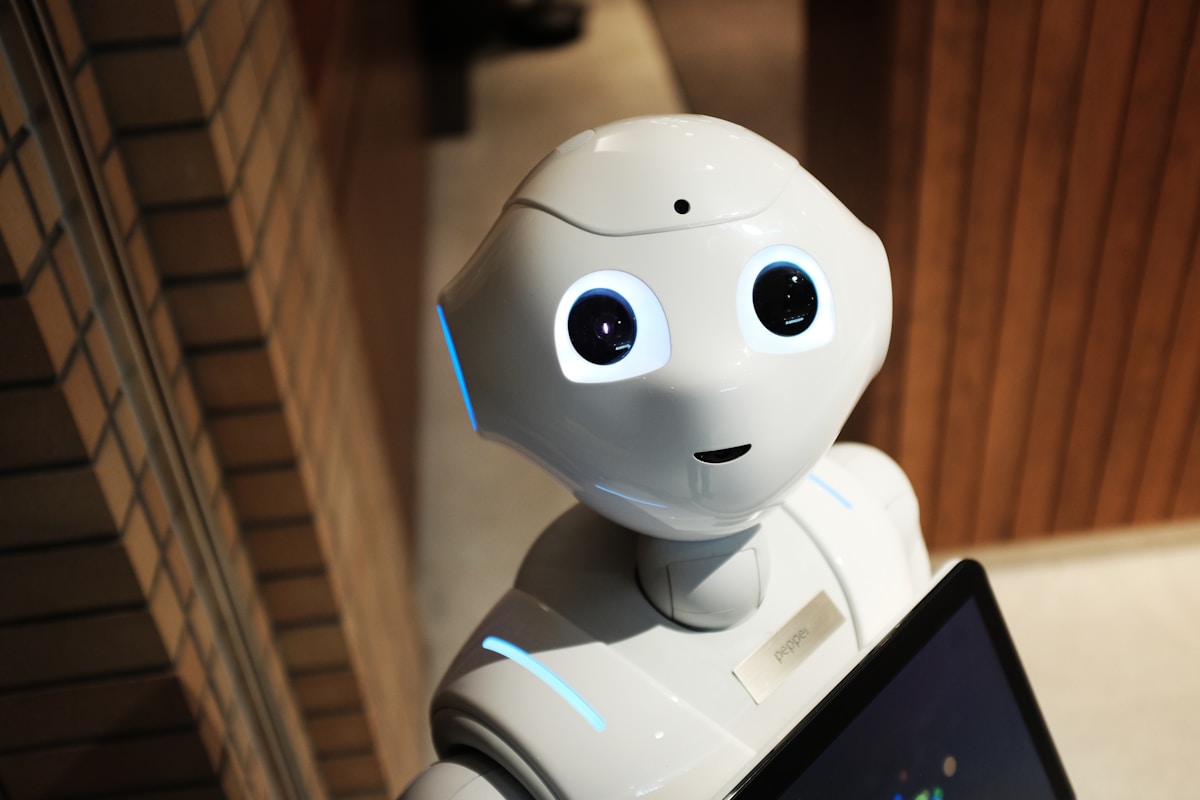
The most powerful AI agents don't just execute tasks—they learn and improve continuously. Self-learning capabilities enable agents to adapt to changing conditions, optimize performance, and get better with every interaction. This guide explores how to build agents that evolve.
Types of Learning
Supervised Learning
Learn from labeled examples and human feedback
- • User corrections improve responses
- • Rating feedback tunes behavior
- • Expert demonstrations as training data
Reinforcement Learning
Learn through trial and reward signals
- • Successful actions get reinforced
- • Failed actions get discouraged
- • Exploration vs exploitation balance
Feedback Loop Architecture
Continuous Improvement Cycle
Adaptation Mechanisms
Pattern Recognition
Agents identify recurring patterns and optimize responses:
Example: Customer support agent notices:
- • 80% of "password reset" questions solved by same response
- • Creates optimized template for this pattern
- • Response time improves from 30s to 5s
- • Satisfaction scores increase from 4.2 to 4.8
Personalization Learning
Agents adapt to individual user preferences and communication styles over time.
Knowledge Accumulation
Agents build knowledge bases from interactions:
- • FAQs generated from common questions
- • Best practices discovered through successful resolutions
- • Edge cases catalogued from failures
- • Domain knowledge extracted from conversations
Learning Rate and Safety
Balancing Improvement and Stability
Too fast: Agent becomes unstable and unpredictable
Too slow: Agent doesn't benefit from experience
Gradual updates with A/B testing. Deploy changes to 10% of traffic, measure impact, scale if positive.
Measuring Learning Progress
| Metric | Week 1 | Week 4 | Week 12 |
|---|---|---|---|
| Response accuracy | 78% | 85% | 92% |
| Avg response time | 45s | 28s | 18s |
| User satisfaction | 4.1/5 | 4.4/5 | 4.7/5 |
Conclusion
Self-learning capabilities transform static agents into evolving systems that continuously improve. By implementing feedback loops, pattern recognition, and adaptive mechanisms, you create agents that become more valuable over time rather than requiring constant manual updates.
Related Articles
Explore related topics and resources on the 1C Platform.
AI Accountability: Who's Responsible When Agents Make Mistakes?
Exploring accountability frameworks for autonomous AI systems. Legal liability, organizational respo
Designing AI Agent Personas: Character and Voice Guidelines
Create compelling AI agent personalities. Persona development, voice design, tone guidelines, and ch
AI Audit Frameworks: Ensuring Accountability in Autonomous Systems
How to audit autonomous AI agents for performance, compliance, and ethical behavior. Frameworks, che
Overcoming Challenges in AI Autonomy: Risk, Trust, and Control
Navigate the key challenges of deploying autonomous AI. Risk management, building trust, maintaining